The short answer is yes. But the context and data quality matter. HRV is a more sensitive non-invasive marker of stress than heart rate due to the nature of how parasympathetic activity modulates heart rhythm. However, instead of tracking it nonstop, HRV can be more valuable as a feedback loop in relation to acute stressors.. Step 1: Code required ventilation rate calculation Step 2: System configuration selection Step 3: HRV/ERV selection Step 4: Lay out and sizing of the ventilation system. Heat Recovery Ventilation Guide for Houses 16. If bathrooms are connected to the HRV/ERV, the unit may require two modes of operation: continuous (low) flow, and occupied (high.

Hrv The Official Website of Windsor Croatia

Understanding Your HRV System YouTube

HRV Intermediate System Thought Technology Ltd.
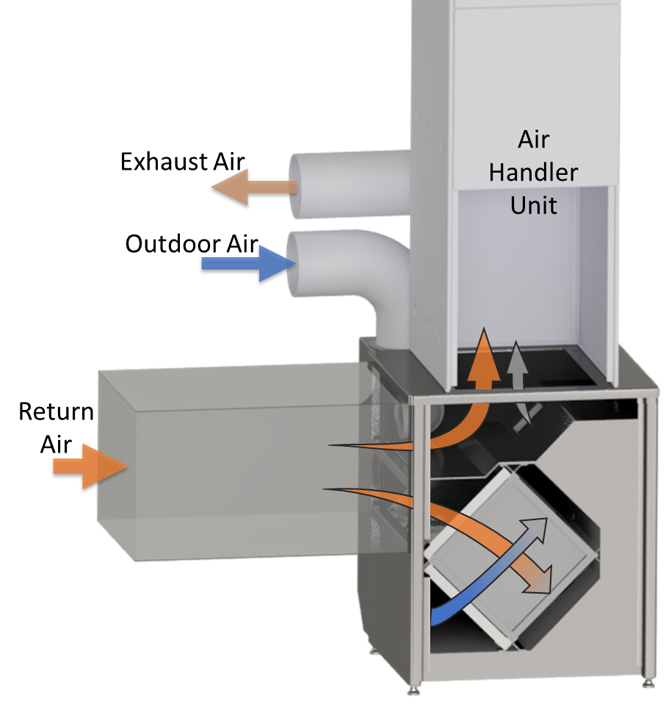
The Problem with HRVs EEBA
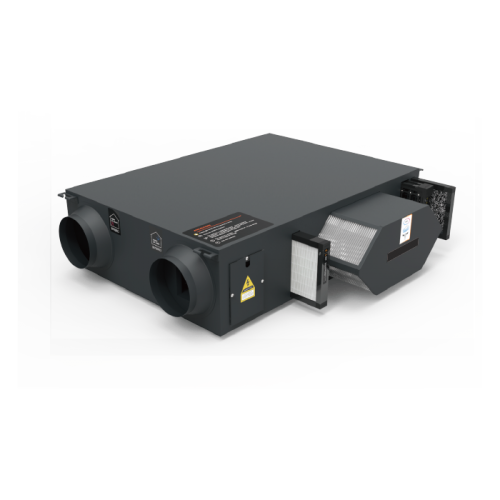
HRV / ERV
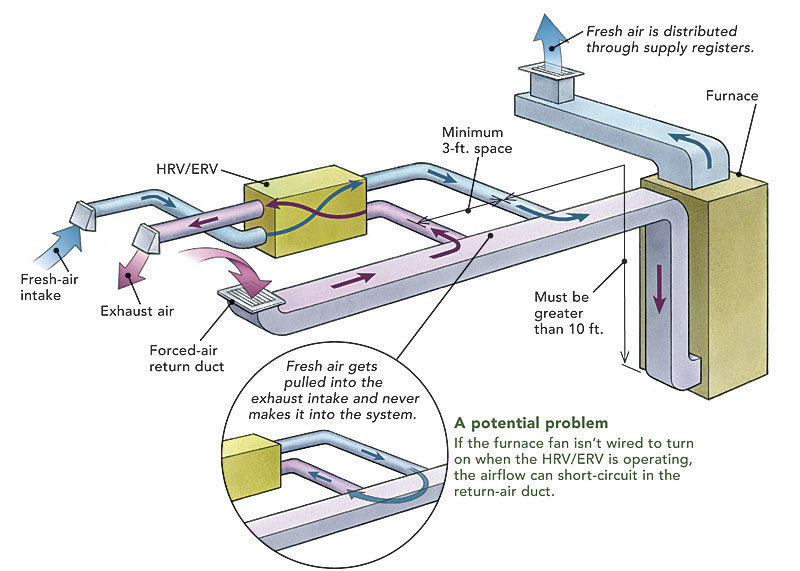
Ducting HRVs and ERVs Fine Homebuilding

Honda HrV Hatchback 1.5 eHEV Advance 5dr CVT Auto Express

HRV ERV System Basics & When to Sell YouTube

HRV and ERV Systems What You Should Know
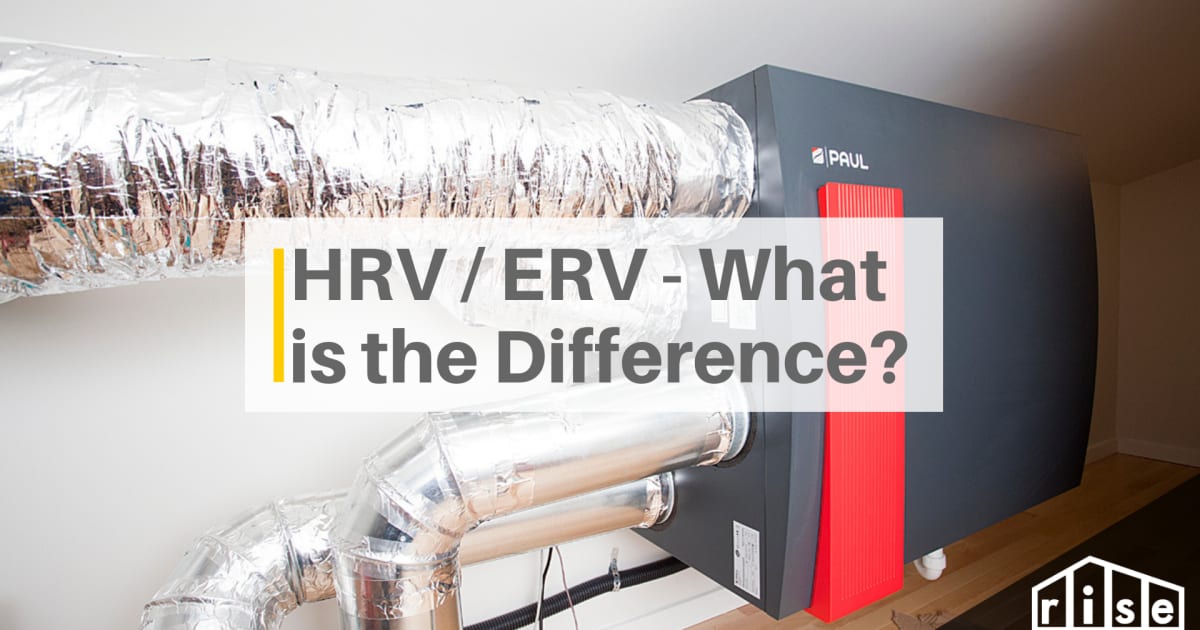
What Is an HRV or ERV System?
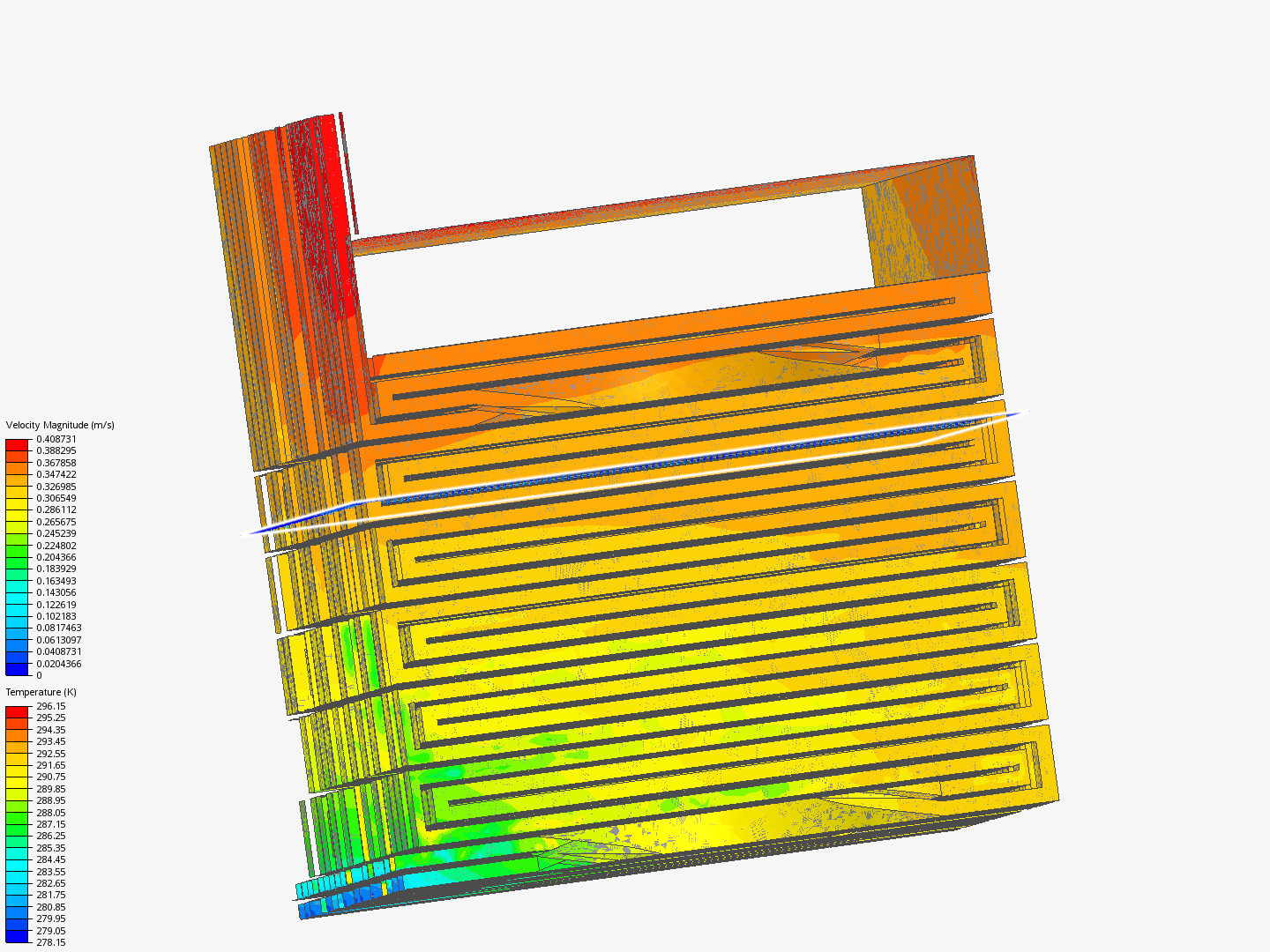
Basic HRV by aarond10 SimScale

How to Train with HRV The basics of HRV training and why you should do it SportTracks

HRV, HR & Deep Sleep Improvement
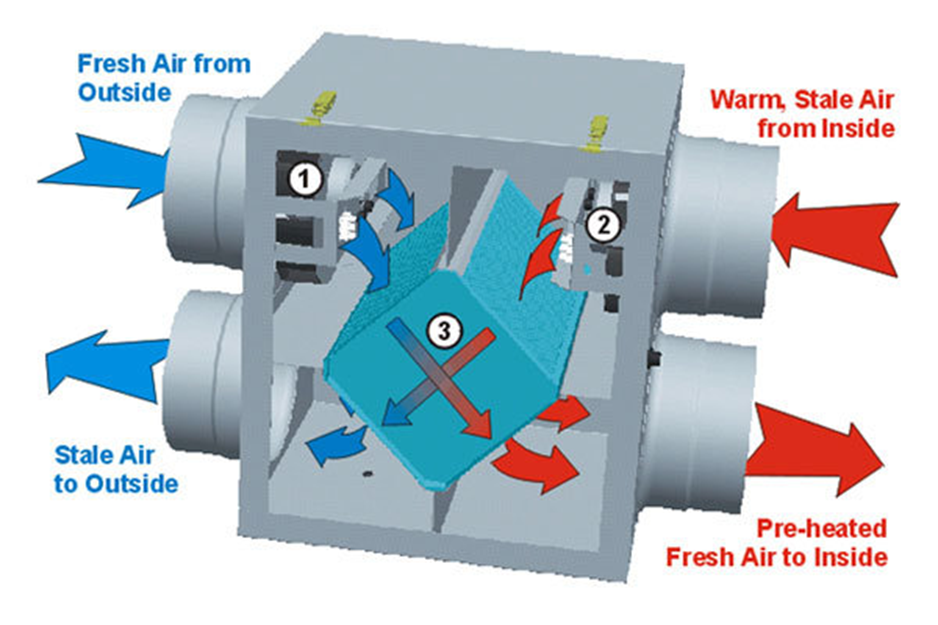
Residential HRV’s Foster Heating & Cooling Victoria

Undvik överträning med HRV (hjärtvariabilitet) FLAWD
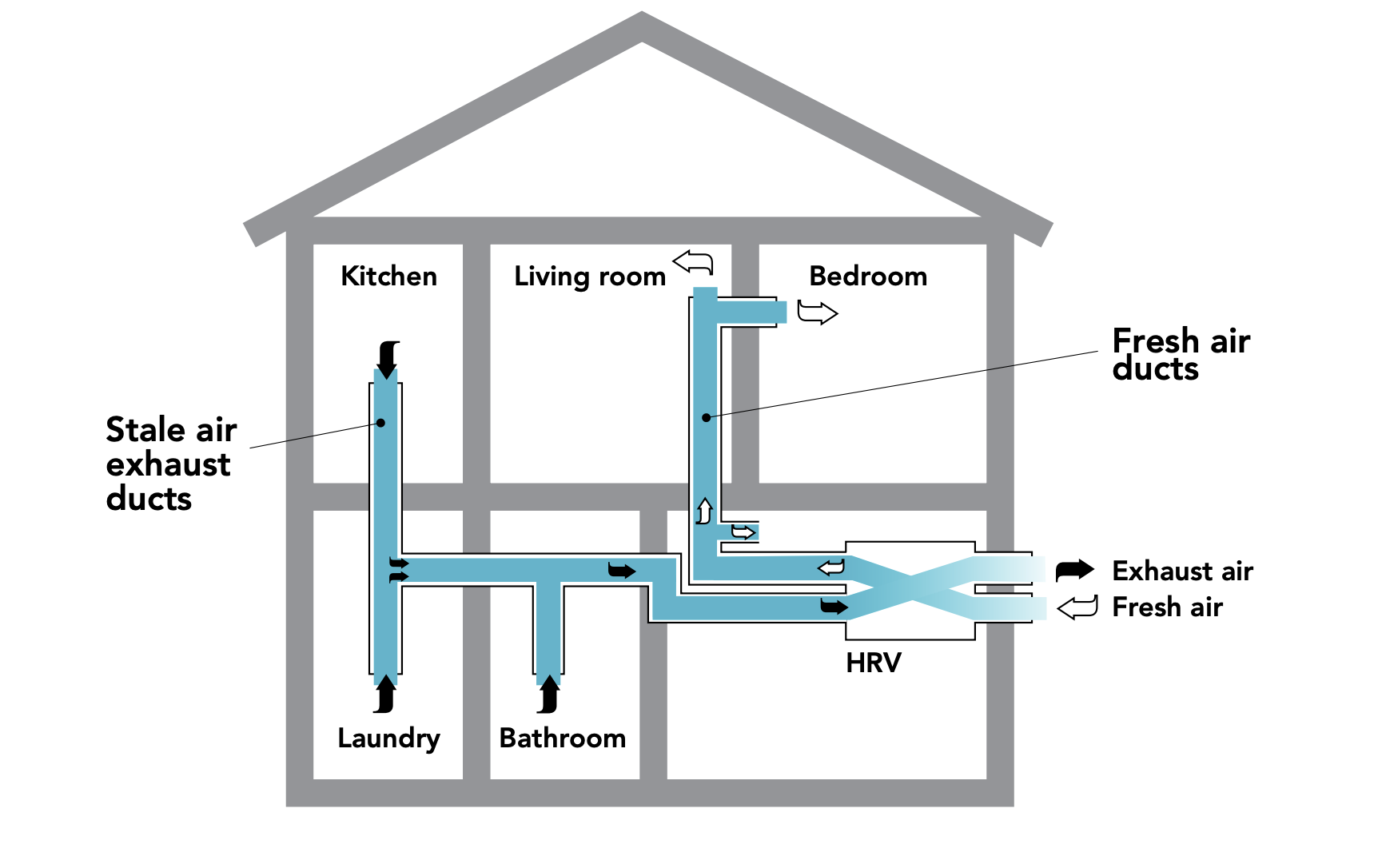
HRV with direct ductwork HPAC Magazine

ERV & HRV Systems Indoor Air Quality Brampton, GTA

Understanding How to Use an HRV System Fahrhall
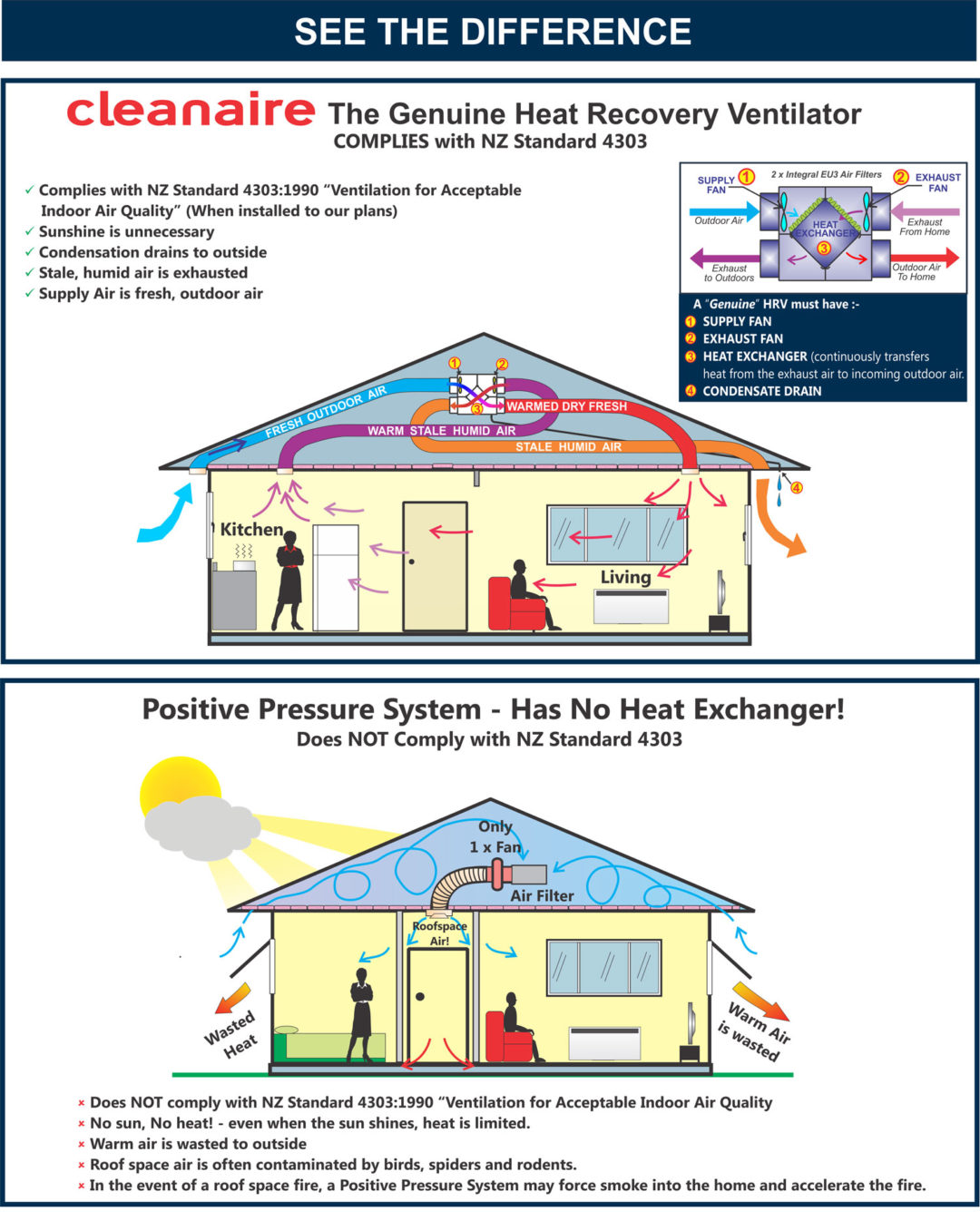
How To Identify A Genuine Heat Recovery Ventilator (HRV) Cleanaire

Most Common Honda HRV Problems GT Automotive
Here’s how to do it: Open the access door to your HRV (don’t worry if it’s running, opening the door will automatically turn the system off) Remove the coreTake off the small filter pads and give them a rinse with soap and water (nothing more than hand soap is needed) Repeat step three with the core. Set all of the components aside to dry.. HRVs and ERVs are generally sized to ventilate the entire house at a minimum of 0.35 air changes per hour. To determine the lowest CFM requirements, take the square footage of your home and multiply it by the ceiling’s height. This figure is the cubic volume. Next, divide the result by 60 and then multiply by 0.35.

